Parker Franke · 31 August 2026
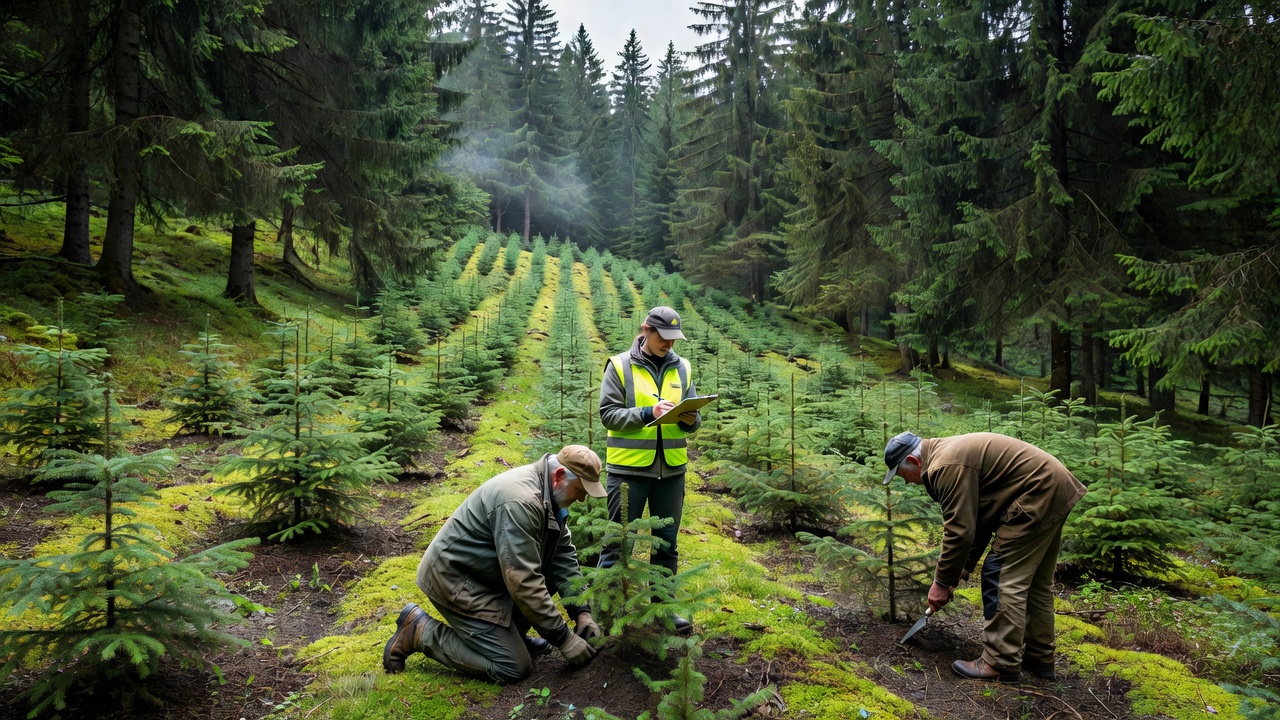
The ongoing reforestation efforts in Silberwald have led to a substantial expansion of the forest's tree cover. Over the past two years the project has successfully planted over 45,000 saplings of indigenous species including beech oak and fir. This initiative aims to restore the ecological balance in the region which had suffered from deforestation due to past logging activities and natural disasters.
Details of the Expansion Efforts
The project is managed by a coalition of forestry experts local municipalities and non-profit organizations dedicated to environmental conservation. Funding has been secured through both public grants and private donations totaling approximately 2.5 million euros. Advanced techniques such as drone-assisted planting and soil analysis have been employed to ensure high survival rates of the new trees. Monitoring data indicates that tree cover has increased by 12 percent since the project's inception. Community volunteers have played a crucial role contributing thousands of hours to the planting and maintenance activities. Educational programs have also been introduced to raise awareness among residents about the importance of forest preservation. Additional measures include the creation of buffer zones to protect against future erosion and the implementation of sustainable harvesting practices in mature sections of the forest. Researchers from nearby universities are conducting studies on the impact of these plantings on local wildlife populations noting an uptick in bird and insect diversity.
Long-Term Environmental Advantages
Looking ahead the reforestation project is expected to yield significant benefits including enhanced carbon capture capabilities improved water retention in the soil and greater resilience against climate change effects. Projections suggest that by 2030 the tree cover could expand by an additional 20 percent if current momentum continues. These developments not only support biodiversity but also provide recreational opportunities for the public boosting local tourism. The success in Silberwald serves as a model for similar initiatives in other forested regions facing similar challenges. Continuous evaluation and adaptation of strategies will be key to maintaining the progress achieved so far.