Jonas Schmitt · 31 August 2026
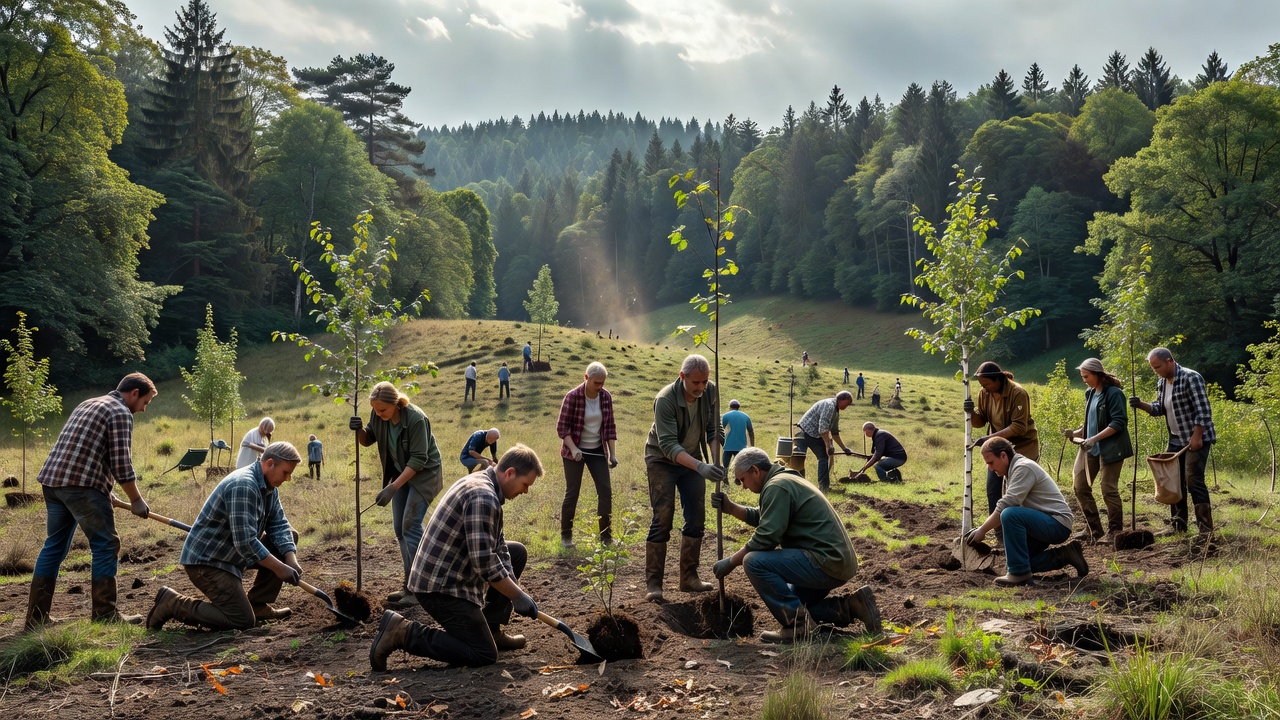
The reforestation project in Silberwald Forest has achieved notable success in increasing overall tree cover across the region. Launched several years ago, the initiative focuses on planting native species to restore areas affected by prior logging and environmental stress. Recent surveys indicate that thousands of new saplings have taken root, contributing to a measurable rise in canopy density. Local authorities report that the project covers over 500 hectares, with planting activities coordinated by forestry experts and community volunteers.
Project Implementation and Progress
Implementation involves careful site selection based on soil quality and water availability. Species such as oak, beech, and pine have been prioritized for their resilience and ecological compatibility. Monitoring teams conduct regular assessments using satellite imagery and ground surveys to track growth rates and survival. To date, more than 120,000 trees have been planted, surpassing initial targets by 15 percent. Funding comes from regional government allocations and private conservation grants, ensuring sustained operations through the next decade. Challenges including seasonal weather variations have been addressed through adaptive planting schedules and protective measures for young trees. Collaboration with research institutions has introduced improved techniques for pest management and irrigation, enhancing overall project efficiency.
Community involvement plays a key role, with educational programs teaching sustainable practices to residents. These efforts have fostered greater awareness of forest conservation needs. Data collected shows improved soil stability in planted zones, reducing erosion risks during heavy rains. Expansion phases continue with plans to incorporate additional buffer areas adjacent to the core forest.
Ecological and Long-Term Outcomes
Ecological benefits are becoming evident as biodiversity indicators rise. Bird populations and small mammal sightings have increased in reforested sections, signaling habitat recovery. Carbon sequestration estimates suggest the new growth could offset several hundred tons of emissions annually once trees mature. Water quality in nearby streams has also improved due to reduced runoff. Long-term projections forecast a 25 percent expansion in total tree cover within five years if current momentum holds. Officials emphasize the importance of ongoing maintenance to protect gains from potential threats like invasive species or drought. The project serves as a model for similar initiatives in other forested regions facing comparable pressures. Continued investment and monitoring will be essential to sustain these advancements and support broader environmental goals.